
That Girl
RocapineLifestyle
4.725.00 Reviews
- Version
- 2.4.1
- Installs
- 10.00K
- Age Rating
- Everyone
Screenshots

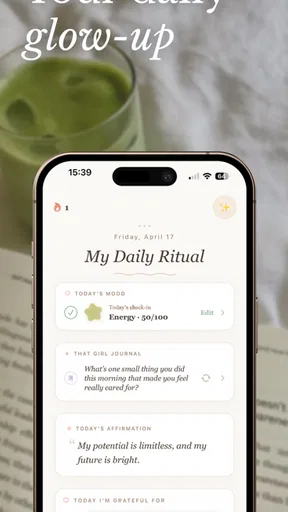
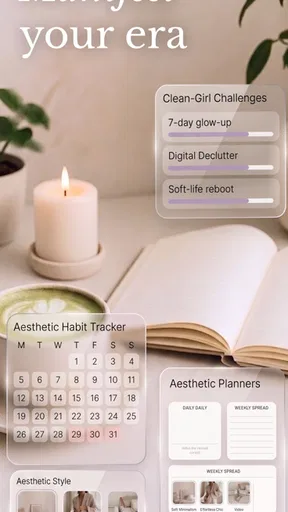
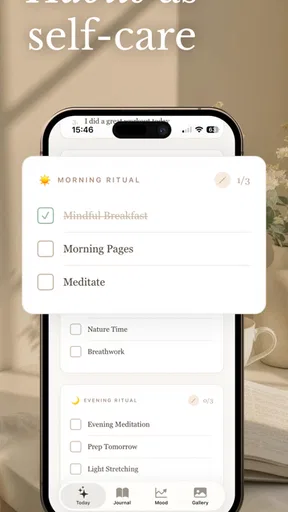
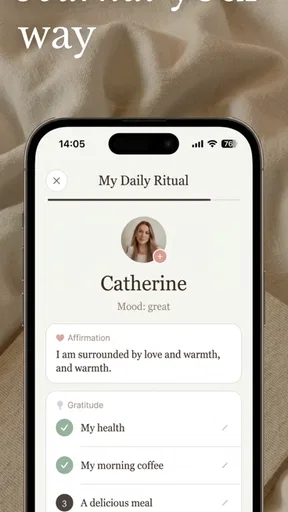
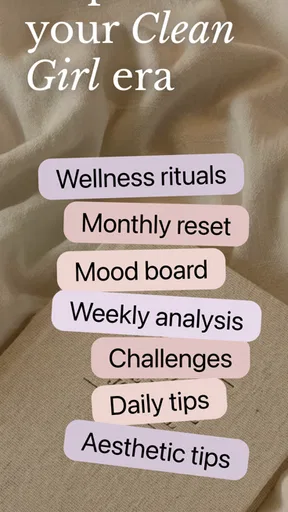
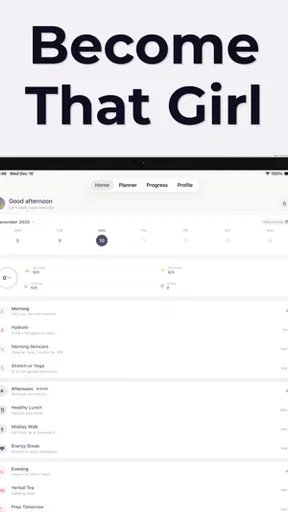
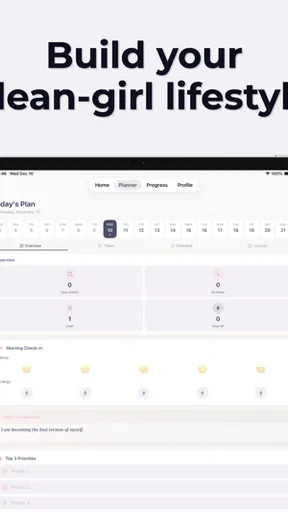
Our Review of That Girl
 Analysis by Appyee
I approached That Girl as a practical lifestyle app rather than a collection of pretty reminders. Its promise is appealing: help me build better habits, organize routines, and feel more put together without turning everyday life into a complicated project. After using it with that expectation, I found its real value depends less on chasing a perfect “clean-girl” image and more on whether I want a gentle structure for mornings, evenings, self-care, and small personal goals.
This is a free lifestyle app from Rocapine, rated for Everyone, with a 4.7 average from around 688 ratings. It has passed the early trial stage with over 10K installs, which gives it a reasonable amount of user interest without making it feel like an enormous, impersonal platform. The current version is 2.4.1, and it works on Android 7.0 or later. Optional in-app purchases range from $8.99 to $44.99 per item, so the important question is not simply whether it is free to install, but whether its free experience is enough for the way I plan to use it.
What I would look for before choosing a routine app
My first decision criterion is friction. A habit app can have excellent ideas and still fail if opening it feels like another chore. That Girl is aimed at people who want a lifestyle reset to feel approachable, visual, and encouraging. I would choose it when I want a single place to think about routines instead of splitting morning planning, self-care intentions, and habit tracking across several unrelated tools.
The second criterion is flexibility. “That girl” content can easily become unrealistic: waking up early, exercising, journaling, drinking enough water, keeping a spotless room, and looking polished every day. I do not think a useful routine should demand all of that at once. The better test is whether I can adapt the idea to a normal day. A short evening reset after work is more useful to me than an elaborate schedule I abandon after two mornings.
The third criterion is motivation style. Some people respond to streaks, numbers, and strict reminders. Others prefer a softer sense of progress. This app makes the most sense for the second group: users who enjoy lifestyle prompts and a feeling of momentum, but who do not want their entire day reduced to performance statistics. If I wanted advanced analytics, detailed scheduling logic, or a professional project-management system, I would start elsewhere.
I also consider how much setup I am willing to do. A routine app should help me decide what matters, not make me spend an hour designing a system before I can use it. My advice is to begin with one routine and a small number of habits. That makes it easier to tell whether the app is genuinely helping or simply giving me attractive ideas that never become actions.
A realistic way to use it on an ordinary day
Imagine a weekday when I have overslept slightly, have work or classes ahead, and do not have the energy for a full lifestyle makeover. I would use That Girl as a compact checklist for the parts of the morning that make the biggest difference: getting ready without rushing, drinking something, tidying the immediate space, and choosing one priority for the day. The point is not to complete an aspirational routine perfectly. It is to avoid letting one messy morning decide the mood of the entire day.
In the evening, I would use the same approach in reverse. Instead of adding a long list, I would choose a few closing actions: prepare something for tomorrow, put away the visible clutter, and make time for a quiet personal activity. This is one of the app’s strongest possible use cases because it turns a vague wish to “get my life together” into a repeatable transition between day and night.
A useful trick is to create a minimum version of each routine. For example, my full reset might include several steps, while the minimum version includes only the one or two actions I can still manage when tired. This prevents the common all-or-nothing problem. If the app encourages me to return after an imperfect day rather than making me feel that I failed, it earns a place in my routine.
Where the app feels most convincing
The strongest part of That Girl is its clear lifestyle focus. It is not trying to be a calorie tracker, a calendar replacement, a meditation library, and a financial planner at the same time. Its identity is centered on habits, routines, and personal “glow-up” goals. That focus makes it easier for me to approach a change as a complete lifestyle pattern rather than as one isolated checkbox.
I also like the emotional framing. Many habit tools make improvement feel clinical, while this app presents it as something personal and enjoyable. That can matter when I am starting again after losing momentum. A visually pleasant, encouraging environment can lower the resistance I feel before beginning a task, especially when the task itself is small but emotionally annoying.
Its real strength is turning vague self-improvement into a visible daily ritual. That is different from promising that a routine will transform everything immediately. The app is most useful when I treat it as a prompt to act, not as proof that I am becoming a better person simply because I opened it.
Another non-obvious advantage is that it can help separate identity from intensity. I do not need an extreme schedule to feel organized. I can use the app to build a modest pattern around preparation, personal care, and recovery. Someone returning to routines after burnout, a student trying to create structure, or a person moving into a new phase of life may appreciate that gentle starting point more than a demanding productivity dashboard.
Small workflows that make it more useful
I would not begin by trying every possible habit. Instead, I would divide my use into three layers. The first is a daily anchor, such as a morning start or bedtime wind-down. The second is one weekly reset, such as planning the week or restoring order to my room. The third is one personal goal that matters to me but does not need attention every day. This arrangement keeps the app from becoming a crowded list of obligations.
I would also review my routine at the end of the week and remove anything that repeatedly creates guilt without producing a useful result. That is an important trade-off: an app built around glow-ups can tempt me to add more goals than my schedule supports. Editing is not failure. It is how I make the system realistic.
For a busy day, I would use a “decision-light” routine. I would prepare the order in advance and avoid asking myself what to do next. For a slower day, I could use the app as a menu of self-care and organization ideas. This distinction matters because the same routine should not be forced onto every kind of day. A rigid plan becomes annoying when circumstances change.
One more practical workflow is to pair the app with a physical cue. I might open it while making tea, after brushing my teeth, or before plugging in my phone at night. The cue does more work than motivation alone. If I rely only on remembering to check the app, I may stop using it precisely when life becomes busy and structure would help most.
Where usual alternatives may fit better
That Girl is not the best choice for everyone. A basic notes app may suit someone who wants complete freedom to write routines in their own words. A calendar is better when appointments, deadlines, and time blocks are the main problem. A dedicated habit tracker may be preferable for someone who wants precise streaks, long-term charts, and detailed behavior records.
There is also a difference between lifestyle coaching and evidence-based health support. If my main goal were managing medication, monitoring symptoms, following a clinical plan, or tracking a medically important behavior, I would choose a specialized tool and professional guidance rather than relying on a lifestyle app. The friendly tone is useful for everyday motivation, but it should not be mistaken for medical expertise.
Users who dislike aesthetic lifestyle language may also find a minimalist task list more comfortable. The “glow-up” framing can be motivating for one person and superficial for another. I would skip this app if I wanted a neutral productivity environment or if the idea of self-improvement content makes me feel pressured rather than encouraged.
On the other hand, people who find conventional productivity apps cold may prefer this one. It occupies a middle ground between a simple checklist and a motivational lifestyle guide. I would recommend comparing categories rather than searching for a single perfect app: use a calendar for fixed commitments, a focused tracker for one measurable behavior, and That Girl for the broader feeling of building a personal routine.
Free access, optional purchases, and the cost of switching
The app is free to download, which makes experimenting straightforward. I can see whether its approach fits me before committing money or rebuilding my entire system. The presence of optional purchases means I should pay attention to which parts of the experience I actually use before considering an upgrade. I would not purchase anything simply because I felt behind or because a polished routine made me believe I needed more tools.
The cost of switching is mostly behavioral rather than technical. If I move from a calendar or notes app, I may need to translate my existing routines into a more lifestyle-oriented format. That can be worthwhile if my current method feels dry or scattered, but it can also create duplicate work. My recommendation is to keep the old system available during the trial period and move only the routines I genuinely want to repeat.
I would also avoid importing every goal at once. Start with a morning or evening routine, use it long enough to notice whether it reduces decision fatigue, and then add another area. This makes the result easier to judge. If I cannot identify a specific improvement—such as leaving home with less rushing or ending the day with less clutter—the app may not be solving my actual problem.
The purchase range is broad enough that I would treat paid content as optional enrichment, not a requirement for taking the app seriously. The free entry point is the reason to test it; the decision to spend should come later, after I know whether I return naturally and whether the extra material supports a goal I already have.
Who should try it, and who should skip it
I think That Girl is a good fit for someone who wants encouragement while establishing everyday habits, especially if they enjoy a lifestyle-centered presentation. It may help a student create a calmer start to the day, a remote worker mark the boundary between work and home, or someone in a transition build a sense of personal order.
It is also suitable for beginners who feel overwhelmed by highly technical productivity systems. The app gives me a reason to start small and think in routines rather than isolated tasks. That is valuable when my real obstacle is not knowing what matters, but making a few helpful actions repeat often enough to become familiar.
I would skip it if I need strict accountability, complex planning, deep statistics, or specialist health tracking. I would also skip it if I already have a simple system that I follow consistently. Switching tools is not automatically progress. An ordinary checklist that I use every day is better than a beautiful routine app that I abandon after the initial excitement.
People vulnerable to perfectionism should set boundaries before using it. I would deliberately leave room for missed days and changing priorities. The app should support my life, not become another standard against which I judge myself. That distinction is especially important with any product built around appearance, routines, and personal improvement.
My recommendation after weighing the trade-offs
That Girl works best as a friendly starting point for building lifestyle routines, not as an all-purpose productivity command center. I like its focused category, approachable tone, and ability to make small personal changes feel connected. The most valuable result is not completing an impressive schedule; it is creating a few reliable transitions that make ordinary days easier.
My recommendation is to install it if you want a gentle, visually oriented coach for habits and routines and are willing to keep your plan modest. Begin with one anchor routine, create a minimum version for difficult days, and review what genuinely helps after a week. That method gives the app a fair test without allowing its aspirational side to take over.
If your needs are more technical, a calendar, notes tool, or dedicated habit tracker may be the better choice. But if you want a lifestyle app that helps you turn self-care and organization into repeatable actions, Rocapine’s offering is worth trying. For me, the deciding question is whether it makes returning to a routine feel easier. When the answer is yes, it earns its place; when it creates more pressure than progress, I would switch to a simpler alternative.
Verdict
Strengths of That Girl
- Simple routines make daily planning easy to follow.
- Helpful reminders encourage consistency with personal goals.
- Clean visuals make the app pleasant to browse.
- Suitable for users who enjoy self-improvement content.
- Works well for creating a more organized lifestyle.
Limitations of That Girl
- Some features may require a paid subscription.
- Advice can feel general rather than personalized.
- Frequent notifications may become distracting.
- Limited value for users seeking advanced planning tools.
- Progress tracking may feel basic for experienced users.
Similar Picks in This Category
View All
SmartThings
Samsung Electronics Co., Ltd.4.6

Google Home
Google LLC4.0

Pinterest4.2

Astrotalk - Talk to Astrologer
Astrology & Horoscope4.7

My Verizon
Verizon Consumer Group4.5

Samsung Wallet (Samsung Pay)
Samsung Electronics Co., Ltd.4.1
Frequently Asked Questions
What is That Girl, and what can I do with the app?
That Girl is generally presented as a lifestyle and self-improvement app focused on helping users build healthier routines, organize daily goals, and stay motivated. Depending on the version available in your region, it may include habit tracking, planning tools, wellness suggestions, journaling prompts, or inspirational content. Before downloading, check the current store description because features and available sections can change with updates.
Is That Girl free to download and use?
That Girl may be free to download, but some features, content collections, or personalization options can require in-app purchases or a subscription. I recommend reviewing the pricing page carefully before starting any trial, especially the renewal terms and cancellation process. A free download does not always mean that every tool is available without payment, so confirm what is included in the basic version.
Is That Girl suitable for beginners who want to improve their routine?
Yes, the app is generally designed to be approachable for people who are just starting to organize their lifestyle or develop new habits. Its guided goals and simple planning approach can make it easier to begin with small, realistic changes. However, the experience depends on how consistently you use it. It should be treated as a motivational planning tool rather than a replacement for professional medical, fitness, or mental-health advice.
Does That Girl require an internet connection or an account?
Some parts of That Girl may work offline after installation, but an internet connection can be necessary for downloading content, synchronizing progress, displaying advertisements, or accessing subscription features. The app may also request an account so your information can be saved across devices. Check the permissions and privacy policy before registering, particularly if you plan to enter personal routines, journal notes, goals, or wellness information.
Is That Girl safe to use, and what should I check before downloading it?
Before installing That Girl, verify that you are downloading the official version from Google Play or the Apple App Store and that the developer name matches the legitimate listing. Review recent user feedback, requested permissions, privacy details, subscription conditions, and the app’s update history. Avoid relying on unofficial APK files or modified versions, since they can create security risks and may expose personal information or payment details.
